Category: Collection

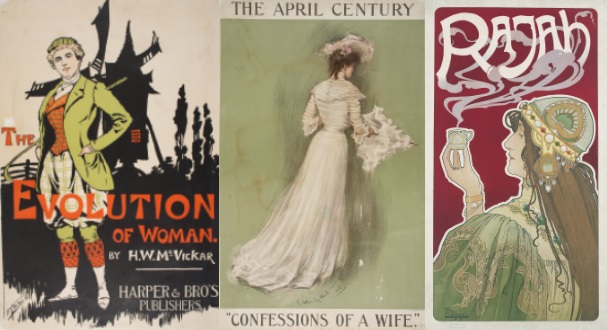
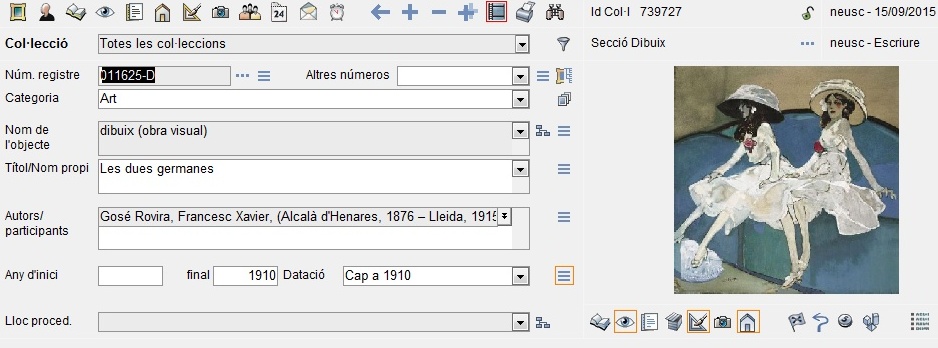
The Evolution of Woman illustrated through Art

Being an intern usually means having lots of routine tasks and minimum responsibility. Being an intern at the Museu Nacional means being part of the team. During the six months I spent at the museum, I was granted with an opportunity to be a part of several projects as well as to bring my own…

Read more »
Author: Z_Estudiants en pràctiques de Postgraus i Màsters

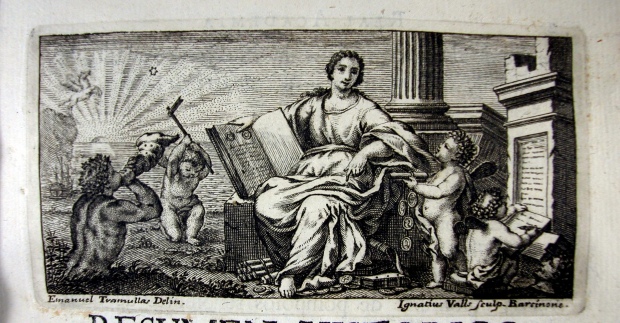
Documentation in the Museu Nacional: a grey task?

Neus Conte/Marta Masafret The Museu Nacional manages a large and varied volume of objects of art, some 290,000 works distributed in diverse collections: Romanesque Art, Gothic Art, Renaissance and Baroque, Modern Art (including Photographic Heritage), the Cabinet of Drawings and Prints, and the Numismatic Cabinet. Of this total of works, 164,500 are documented in the…

Read more »
Author: Neus Conte

300 years after the death of the Sun King. Art and Power in European Medals

Albert Estrada-Rius We are approaching the conclusion of the exhibition Stories in Metal: Art and Power in European medals. Today we shall be talking about the 300th anniversary of the death of the Sun King, remembered through medals. This autumn France has carried out several initiatives to commemorate, with all pomp and splendour, the 300th…

Read more »
Author: Albert Estrada-Rius

Still lifes on the museum’s collection

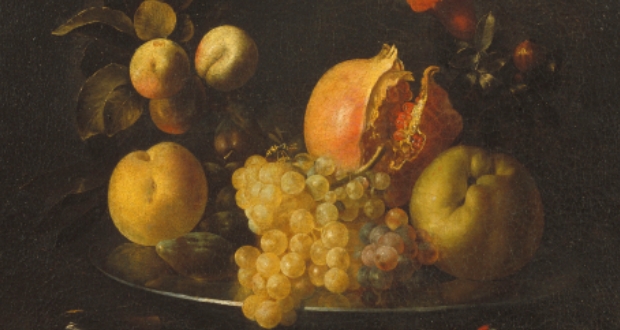
Montse Gumà, in collaboration with Valeria Nepeina Are you one of those people who stops and gazes at market stalls and the shop windows of florists and the more traditional grocery stores? When you travel, are markets must-see attractions on your sightseeing trips? We love the colours, the smells, the orderly arrangement of the fruit…

Read more »
Author: Montse Gumà

Curiosities of the collection: Medieval Art

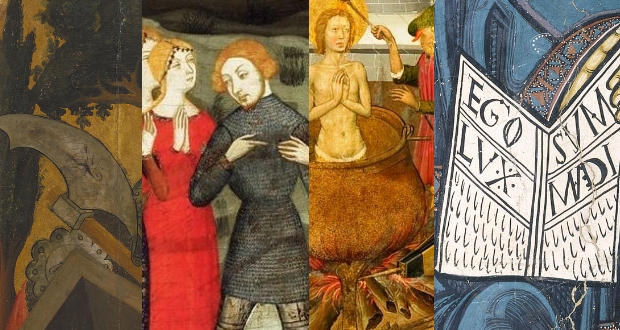
With this post we continue the series Curiosities of the collection. The first article was about Modern Art and the second, Renaissance and Baroque. Hidden messages Here we see the Resurrection of Christ on the Gothic high altarpiece from the monastery of Santes Creus. At first sight there is nothing unusual about this painting: Christ…

Read more »
Author: Redacció museu

Curiosities of the collection: Renaissance and Baroque

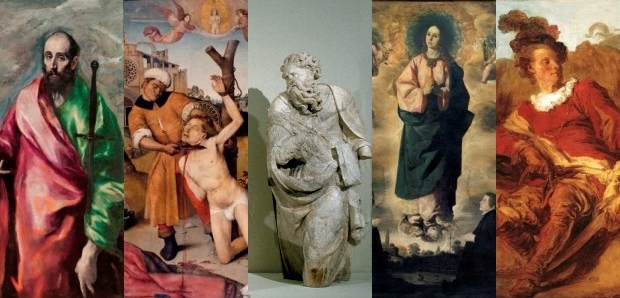
With this post we will be continuing with the series of Curiosities of the collection. We dedicated the first article to Modern Art. Did you know that the modernity of El Greco was due to the mixture of two expressionist trends of the 16th century? El Greco was a formal expressionist (thanks to Venice) and…

Read more »
Author: Redacció museu

Curiosities of the collection: Modern Art

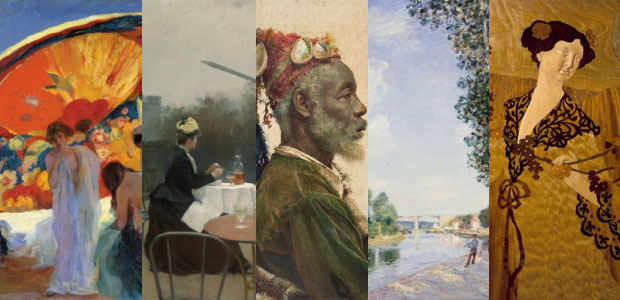
With this post we start the Curiosities of the collection articles, that we will publish on a regular basis. This first one is dedicated to our Modern Art Collection. Did you know that this painting is one of the most plagiarised works, and of great media interest, of Catalan art? This painting that represents some…

Read more »
Author: Redacció museu

How a watercolour makes it possible to date a photograph and the photo makes it possible to put a face to the painter’s name

Paris, circa 1889 A painter, who we cannot identify, poses seated before the camera lens of a photographer, whose identity we do not know either. The artist has a proud air about him, satisfied with the work he has just done and whose results he is showing in public. The roomy bright surroundings in which…

Read more »
Author: Francesc Quílez

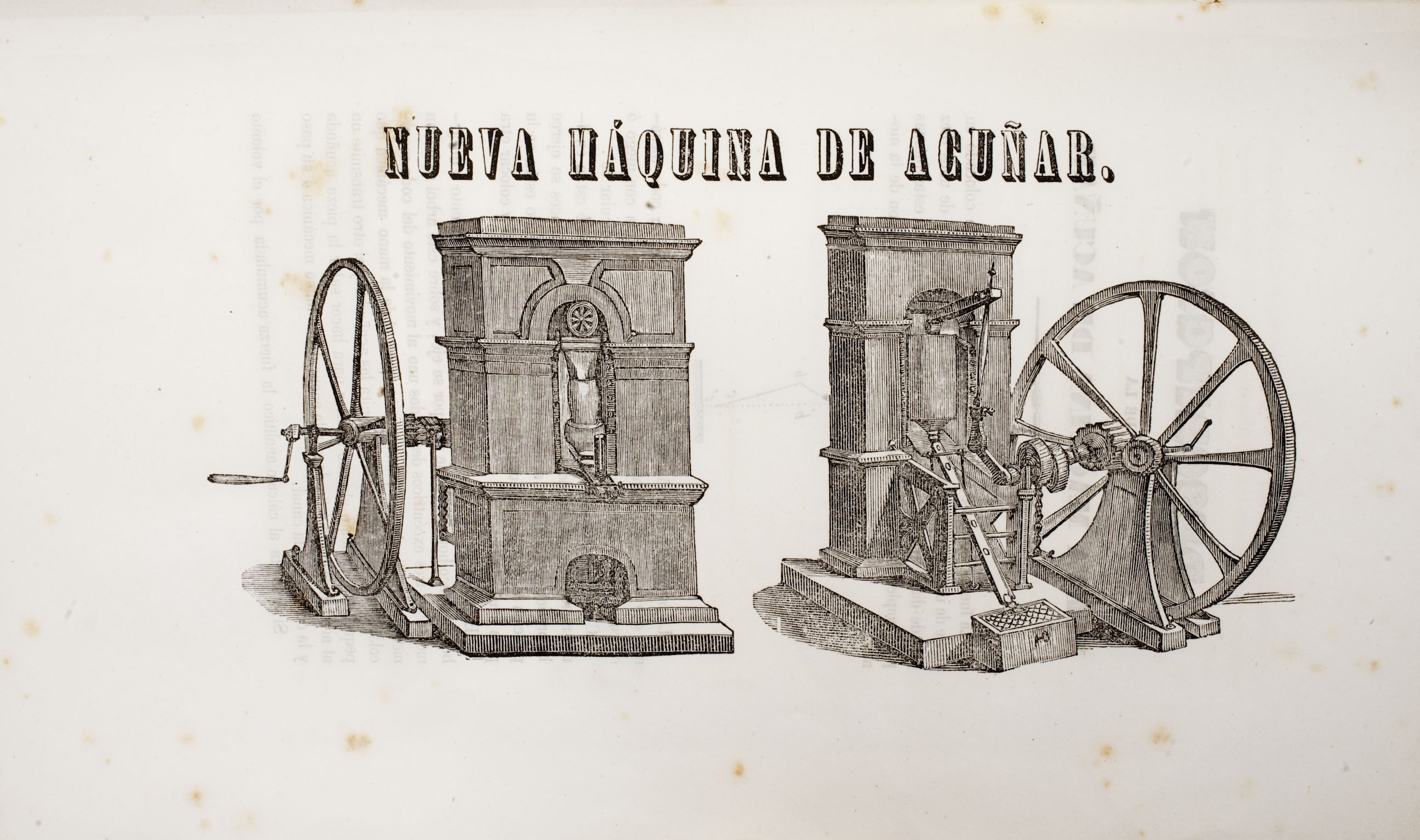
Industrial heritage uncovered: the archaeological excavation at La Seca (The Royal Mint of Barcelona) II

In a previous article we looked at the Mint and its location in the most commercial neighbourhood of Barcelona, its implantation in the urban layout of the area and some of the coins that were made there. In this second part, we now have to imagine a steam-powered factory in the middle of the nineteenth…

Read more »
Author: Albert Estrada-Rius

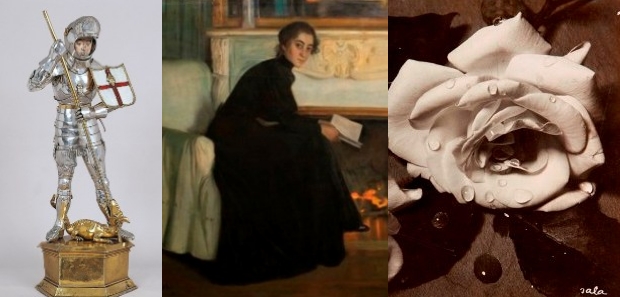
Saint George’s Day: books, roses and dragons

You may sometimes have wondered who Saint George was, and how long he has been the patron saint of Catalonia, or where the tradition of giving books and roses came from. And why his feast day is 23rd April. What do we know about any of this? Saint George was a Roman soldier, born in…

Read more »
Author: Redacció museu